2026-05-18 22:32:48 | EST
News Cambria CEO Marty Davis Leverages Tariffs on Quartz Imports, Sparking Industry Controversy
News

Cambria CEO Marty Davis Leverages Tariffs on Quartz Imports, Sparking Industry Controversy - {璐㈡姤鍓爣棰榼

Cambria CEO Marty Davis Leverages Tariffs on Quartz Imports, Sparking Industry Controversy
News Analysis
{鍥哄畾鎻忚堪} Marty Davis, CEO of Cambria and a notable donor to Donald Trump, has successfully petitioned the U.S. government to impose tariffs on imported quartz, a move that benefits his company but has drawn sharp criticism from competitors. The tariffs could reshape the domestic quartz market and raise questions about the use of trade policy for competitive advantage.

Live News

- Cambria CEO Marty Davis successfully requested tariffs on imported quartz, benefiting his company’s bottom line. - Davis is a known donor to Donald Trump, which critics say helped facilitate the tariff approval. - Competitors have publicly criticized the move, claiming it unfairly disadvantages foreign producers and smaller domestic firms. - The tariffs could increase prices for quartz countertops in the U.S., potentially impacting construction and renovation industries. - The case underscores the influence of political contributions on trade policy decisions, a subject of ongoing debate among economists and legal experts. - Market observers note that such targeted tariffs may lead to retaliation from trading partners, possibly escalating trade tensions. Cambria CEO Marty Davis Leverages Tariffs on Quartz Imports, Sparking Industry Controversy{闅忔満鎻忚堪}{闅忔満鎻忚堪}Cambria CEO Marty Davis Leverages Tariffs on Quartz Imports, Sparking Industry Controversy{闅忔満鎻忚堪}

Key Highlights

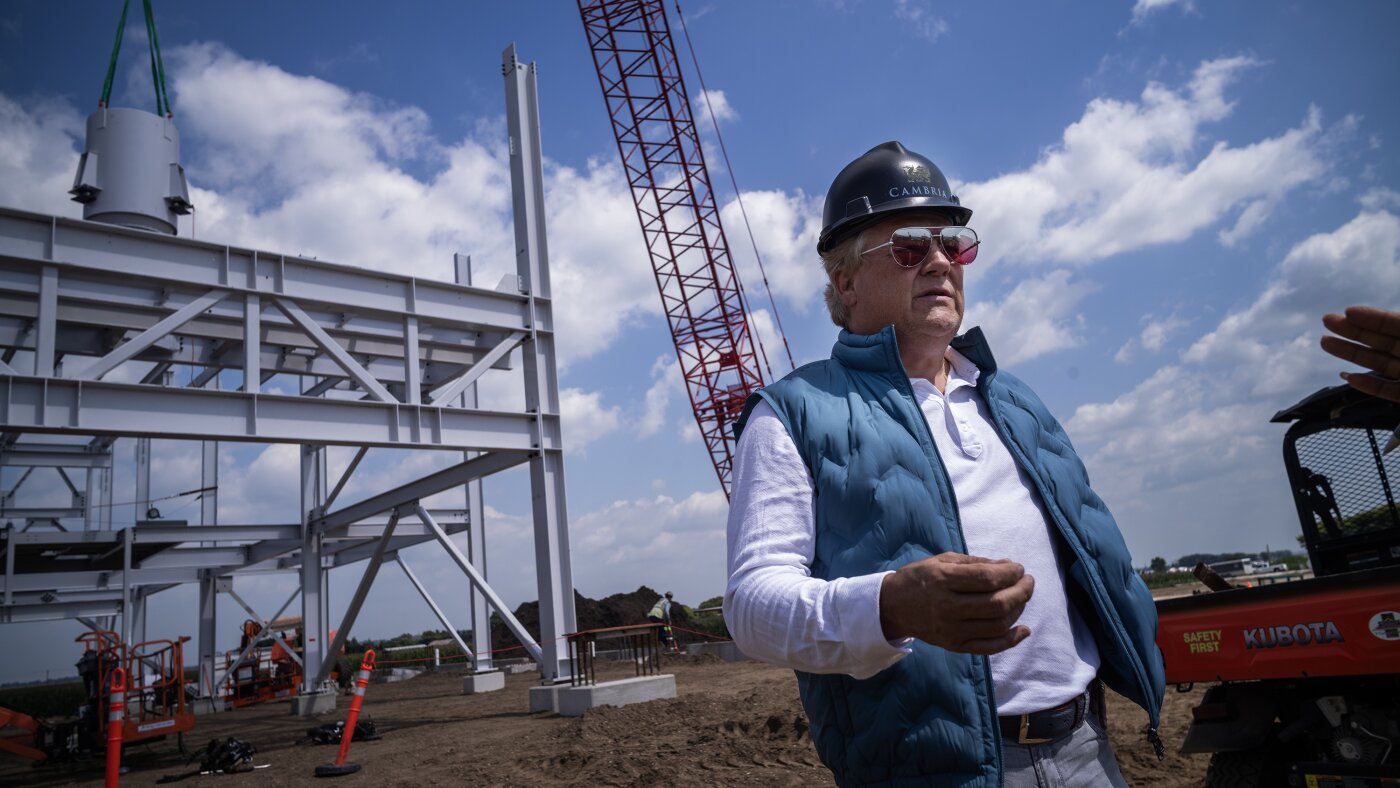
According to a recent report by NPR, Cambria CEO Marty Davis—a prominent donor to former President Donald Trump—has used his political connections to persuade the U.S. government to place tariffs on imported quartz. Cambria is a leading manufacturer of quartz countertops, and the tariffs are expected to raise the cost of competing imported products, giving Cambria a pricing advantage in the domestic market. The tariff request was successful, but business rivals are crying foul, alleging that Davis is weaponizing trade policy against them. The report details how Davis leveraged his relationship with the Trump administration to secure the tariffs, which now affect quartz imports from several countries. Competitors argue that the move is an abuse of the tariff system, designed to protect Cambria’s market share rather than address genuine unfair trade practices. The U.S. government did not immediately comment on the process or the criteria used to approve the tariff request. The story highlights the potential for individual companies to influence trade policy through political donations and lobbying, raising ethical and legal questions. Cambria CEO Marty Davis Leverages Tariffs on Quartz Imports, Sparking Industry Controversy{闅忔満鎻忚堪}{闅忔満鎻忚堪}Cambria CEO Marty Davis Leverages Tariffs on Quartz Imports, Sparking Industry Controversy{闅忔満鎻忚堪}

Expert Insights

The ability of a single CEO to secure protective tariffs on a specific product illustrates the porous line between private business interests and public trade policy. Analysts caution that while the U.S. tariff system allows for requests based on alleged dumping or subsidies, the approval process may be subject to political influence. In this case, Davis’s prior donations to the Trump administration may have played a role, though no direct evidence of quid pro quo has been reported. From an investment perspective, the tariffs could create a temporary competitive moat for Cambria, potentially boosting its margins and market share. However, such protection may also invite regulatory scrutiny and legal challenges from competitors. Moreover, the broader implication is that companies with strong political ties might be more successful in shaping trade rules to their advantage, creating an uneven playing field. Investors should watch for any trade policy shifts under future administrations that could reverse these tariffs or impose new costs. The situation also highlights the risks of over-reliance on political favors, as regulatory landscapes can change quickly. Overall, the episode suggests that tariff decisions may not always be based purely on economic fundamentals but could reflect strategic corporate lobbying. Disclaimer: This analysis is for informational purposes only and does not constitute investment advice. Cambria CEO Marty Davis Leverages Tariffs on Quartz Imports, Sparking Industry Controversy{闅忔満鎻忚堪}{闅忔満鎻忚堪}Cambria CEO Marty Davis Leverages Tariffs on Quartz Imports, Sparking Industry Controversy{闅忔満鎻忚堪}
© 2026 Market Analysis. All data is for informational purposes only.